Promotion iPhone strategies are essential in the ever-evolving tech landscape, where standing out can make all the difference. The iPhone, a symbol of innovation, requires inventive approaches to captivate its audience and maintain market leadership. Understanding the dynamics of effective promotions, target demographics, and the competitive landscape is crucial for successful marketing campaigns.
From leveraging social media platforms to dissecting the promotional tactics of competitors, it’s clear that the landscape of iPhone marketing is rich and varied. By focusing on tailored messaging and emerging trends, brands can engage their ideal customers meaningfully, ensuring that every launch garners the attention it deserves.
Promotion Strategies for iPhone
The promotion of the iPhone has evolved into a multifaceted approach that leverages advanced marketing strategies across various platforms. Apple has consistently employed innovative tactics to maintain its leading position in the smartphone market. This discussion delves into effective social media platforms, advertising techniques, and exemplary marketing campaigns that illustrate the success of iPhone promotions.
Effective Social Media Platforms for iPhone Promotion
Apple strategically utilizes a variety of social media platforms to enhance its visibility and engage with potential customers. Each platform serves a unique purpose in the overall marketing strategy, allowing Apple to target diverse demographics effectively.
- Instagram: Known for its visual content, Instagram plays a crucial role in showcasing the iPhone’s design and features through high-quality images and videos. Influencer collaborations amplify product reach and enhance brand credibility.
- Twitter: Twitter serves as a platform for real-time updates, announcements, and customer engagement. Apple uses it to communicate directly with customers, creating a sense of community and immediacy.
- Facebook: With its vast user base, Facebook enables targeted advertising and allows Apple to host events that encourage user interaction and loyalty through engaging content.
- YouTube: Video content on YouTube provides detailed demonstrations of iPhone features, fostering a deeper understanding of the product. Tutorials, reviews, and promotional videos enhance customer interest.
Successful Advertising Techniques for iPhone Promotions, Promotion iphone
Apple’s advertising techniques incorporate a blend of emotional connection, storytelling, and innovative technology. The advertisements are designed to resonate with the audience on multiple levels.
- Emotional Storytelling: Ads often feature narratives that evoke feelings of connection, family, and adventure. This approach enhances brand loyalty as consumers associate positive experiences with the iPhone.
- Minimalist Aesthetics: Apple’s advertisements famously utilize clean and simple designs, focusing on the product without overwhelming the viewer. This minimalist approach underscores the elegance of the iPhone.
- Celebrity Endorsements: Collaborations with well-known personalities create aspirational connections. Celebrities are often seen using iPhones in various contexts, reinforcing its desirability.
Innovative Marketing Campaigns Executed for iPhone Launches
Apple has a history of executing groundbreaking marketing campaigns that generate buzz and excitement around new iPhone launches. These campaigns often set trends in the industry.
- “Shot on iPhone” Campaign: This campaign showcased stunning photography taken by iPhone users, highlighting the device’s camera capabilities. It encouraged user participation and created a sense of community among iPhone owners.
- “Hello” Launch Campaign: The original launch of the first iPhone in 2007 featured a memorable ad that emphasized the device’s revolutionary features. It set the tone for future launches by creating a lasting impression.
- iPhone Upgrade Program: By offering a subscription-based model for upgrades, Apple incentivizes consumers to stay within the iPhone ecosystem, fostering brand loyalty and repeat purchases.
Target Audience for iPhone Promotions: Promotion Iphone
Understanding the target audience for iPhone promotions is crucial for crafting effective marketing strategies. The iPhone appeals to diverse demographics, each with unique preferences and purchasing behaviors. By identifying these groups, marketers can tailor their promotional messages to resonate deeply, ultimately leading to increased engagement and sales.
Demographic Profile of iPhone Users
The iPhone’s target demographics reflect a blend of technological savviness, lifestyle aspirations, and purchasing power. Key characteristics include:
- Age Range: Primarily 18-45 years old, encompassing both millennials and Gen Z, who are more inclined towards technology and social media engagement.
- Income Level: Middle to upper-middle-class consumers, often with disposable income to spend on premium products. This group values quality and brand prestige, which the iPhone embodies.
- Geographic Location: Urban and suburban areas, where access to technology and high-speed internet is prevalent. This demographic typically features higher smartphone penetration rates.
- Education Level: Generally well-educated individuals, including college students and professionals, who appreciate the iPhone’s innovative features that enhance productivity and connectivity.
- Lifestyle Preferences: Tech enthusiasts, fashion-conscious consumers, and individuals who prioritize high-quality experiences in their daily lives.
Profile of the Ideal Customer for iPhone Marketing
Creating a detailed customer profile for iPhone marketing reveals critical insights into the preferences and behaviors of potential buyers. The ideal customer often embodies the following traits:
- Tech-Savvy: Familiar with the latest technology trends, actively seeks out new gadgets, and values seamless integrations with other devices.
- Brand Loyal: Exhibits a strong preference for Apple products, often motivated by positive past experiences, brand reputation, and ecosystem compatibility.
- Social Media User: Engaged in social media platforms, frequently sharing experiences and reviews, which amplifies the product’s visibility and desirability through word-of-mouth.
- Environmental Consciousness: Values sustainability and ethical practices, leading Apple to focus on highlighting its environmental initiatives in promotions.
- Desire for Status: Seeks products that symbolize success and sophistication, often using the iPhone as a status symbol within their social circles.
Tailoring Promotional Messages for Different Audience Segments
To maximize the effectiveness of iPhone promotions, it is essential to customize messages to align with the interests and values of distinct audience segments. Here’s how to achieve this:
- Young Professionals: Highlight productivity features, such as business apps and seamless integration with Mac devices, appealing to their work-life balance aspirations.
- Students: Focus on affordability initiatives, educational discounts, and features that enhance study experiences, such as note-taking capabilities and camera quality for project documentation.
- Parents: Emphasize safety features, parental controls, and family sharing options, showcasing how the iPhone can enhance family connectivity and security.
- Health Enthusiasts: Promote health-related apps and features like fitness tracking and wellness integrations, appealing to those prioritizing a healthy lifestyle.
- Luxury Consumers: Utilize aspirational marketing techniques, showcasing the iPhone as an essential accessory for a sophisticated lifestyle, complete with high-end visuals and exclusivity.
Comparison of iPhone Promotions to Competitors
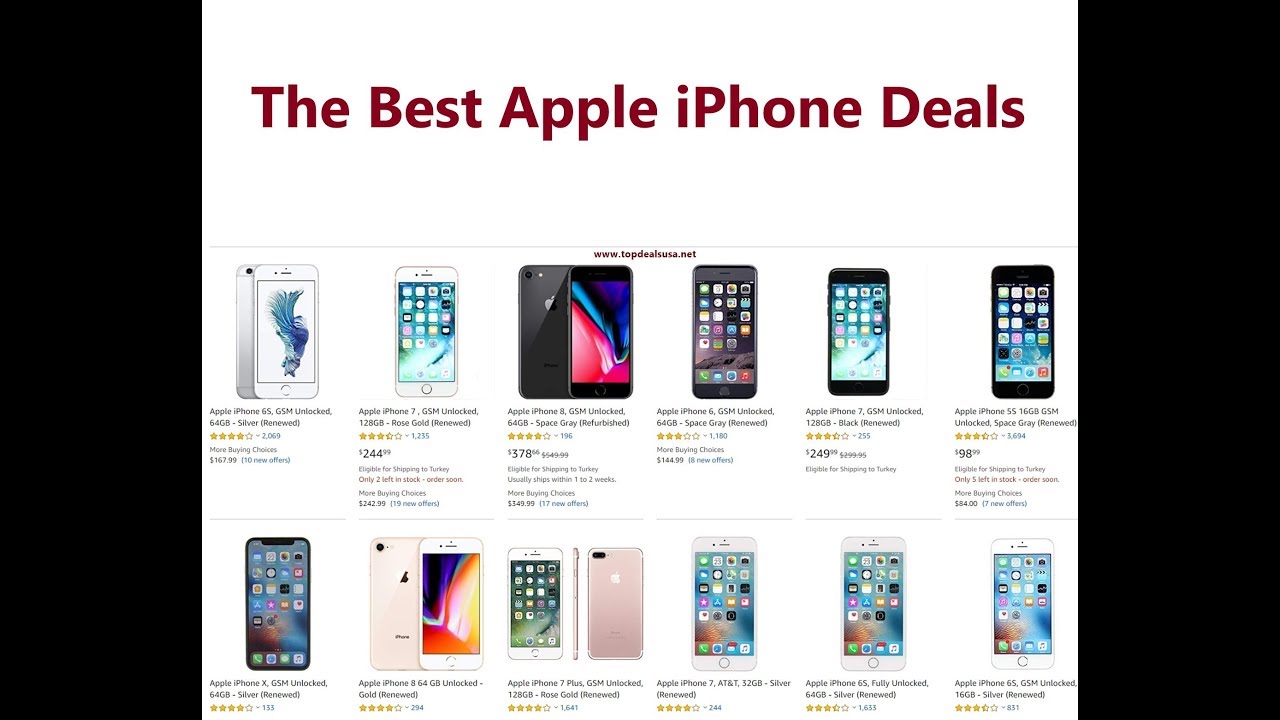
The competitive landscape of the smartphone market is characterized by various promotional strategies employed by leading brands. While Apple has built a reputation for its innovative marketing techniques, understanding how its promotions stack up against competitors provides valuable insights into consumer behavior and market effectiveness. This analysis focuses on the promotional strategies of rival brands, comparing their strengths and weaknesses with Apple’s approach.
Promotional Strategies of Leading Competitors
Leading smartphone manufacturers such as Samsung, Google, and OnePlus utilize distinctive promotional strategies tailored to their target audiences. Each brand employs various methods, including price promotions, bundling offers, and high-profile advertising campaigns.
- Samsung: Samsung often employs aggressive pricing strategies, particularly during the launch of new devices. Bundling offers, such as free accessories, alongside substantial trade-in discounts, have been key to attracting customers. Their promotional campaigns emphasize cutting-edge technology and innovative features, bolstered by extensive advertising across multiple platforms.
- Google: Google leverages its software ecosystem to promote its Pixel phones. Promotions often include significant discounts for existing Google service users, creating a seamless transition for customers already embedded in their ecosystem. Their advertising tends to focus on the software experience and AI capabilities, appealing particularly to tech-savvy consumers.
- OnePlus: Known for its direct-to-consumer sales model, OnePlus relies heavily on online promotion and community engagement. They create excitement through exclusive launches and limited-time offers. Their promotional tactics often include flash sales and referral discounts, appealing to cost-conscious consumers and tech enthusiasts.
Strengths and Weaknesses of Different Promotional Approaches
While each brand has its promotional strengths, there are also notable weaknesses that can affect market performance.
- Samsung: The strength of Samsung’s promotions lies in its aggressive marketing and extensive product range, which allows it to appeal to diverse consumer segments. However, the downside is potential brand dilution due to frequent model releases and varied marketing messages.
- Google: Google’s focus on software integration is a significant advantage, catering to users who value a cohesive ecosystem. Nevertheless, their promotions can be perceived as less aggressive compared to competitors, limiting broader market appeal.
- OnePlus: OnePlus’s community engagement fosters strong brand loyalty; however, its limited availability in certain markets can hinder growth. Their low-cost promotions may also lead to perception issues regarding product value compared to premium offerings from rivals.
Success of iPhone Promotions Compared to Rivals
Apple’s promotional strategies have consistently outperformed those of its main competitors due to a well-crafted blend of brand loyalty, consumer perception, and marketing innovation.
The iconic “Shot on iPhone” campaign not only showcases the quality of iPhone photography but also encourages user-generated content, fostering a community of advocates.
Apple’s ability to create aspirational marketing campaigns, such as the annual iPhone launch events, generates significant anticipation and excitement. This strategy not only drives sales but also reinforces the brand’s identity as a leader in innovation. Furthermore, Apple’s consistent focus on premium pricing and quality enhances the perceived value of its products, allowing the company to maintain higher profit margins compared to competitors.
Overall, while competitors employ various promotional strategies aimed at capturing market share, Apple’s unique approach to marketing and brand loyalty continues to set it apart in the competitive smartphone landscape.
Future Trends in iPhone Promotions
The landscape of iPhone promotions is evolving rapidly due to technological advancements and shifting consumer preferences. As Apple continues to innovate, it is essential for promotional strategies to align with emerging trends that can influence consumer choices and engagement. Understanding these future trends is crucial for maintaining competitiveness and relevance in an ever-changing market.
Emerging technologies are set to play a pivotal role in shaping future promotional strategies for iPhones. With the rise of augmented reality (AR) and artificial intelligence (AI), companies will leverage these innovations to provide immersive experiences that resonate with consumers.
Impact of Emerging Technologies on Promotions
The integration of technologies such as AR and AI can enhance how promotions are delivered and experienced by users. For instance, AR can allow customers to visualize how a new iPhone model might look in their hands or how it would fit into their lifestyle before making a purchase. The potential for personalized marketing strategies driven by AI can further refine targeting efforts, creating tailored promotions that speak directly to individual consumer needs.
Key technologies influencing iPhone promotions include:
- Augmented Reality (AR): Enables customers to experience products in a virtual environment, enhancing engagement and decision-making.
- Artificial Intelligence (AI): Facilitates personalized marketing by analyzing consumer behavior and preferences to serve tailored promotions.
- Data Analytics: Provides insights into market trends and consumer behavior, allowing for data-driven promotional strategies.
- 5G Connectivity: Enhances the speed and efficiency of mobile marketing campaigns, facilitating richer media experiences.
As these technologies evolve, they will likely lead to significant shifts in consumer behavior that impact iPhone marketing. Consumers are increasingly seeking authentic and interactive experiences, prompting brands to adopt more engaging promotional tactics.
Shifts in Consumer Behavior
Modern consumers are adept at using technology and are demanding more from their brands. The emphasis on experiential marketing is evident, as customers prefer engaging content that tells a story or creates a memorable experience. This trend necessitates a departure from traditional advertising methods, pushing brands to innovate continuously.
Several factors driving shifts in consumer behavior include:
- Desire for Authenticity: Consumers favor brands that communicate openly and honestly, leading to a need for genuine promotional content.
- Increased Mobile Usage: With the majority of consumers accessing information via mobile devices, promotions must be optimized for mobile experiences.
- Social Media Influence: Consumers look to social platforms for recommendations, which necessitates effective social media strategies within promotional campaigns.
- Sustainability Concerns: The growing emphasis on environmental impact is influencing purchasing decisions, prompting brands to highlight sustainable practices.
To adapt promotional tactics to meet changing market demands, brands must adopt an agile marketing mindset. This involves staying attuned to trends and consumer feedback, allowing for real-time adjustments to promotional strategies.
Adapting Promotional Tactics
Brands must be prepared to pivot their promotional tactics based on consumer insights and technological advancements. Utilizing data analytics can facilitate a deeper understanding of audience preferences, enabling brands to craft relevant and timely promotions.
Strategies for adapting promotional tactics include:
- Leveraging User-Generated Content: Encouraging customers to share their experiences can build community and enhance brand loyalty.
- Implementing Interactive Campaigns: Engaging consumers through interactive content such as polls, quizzes, and AR experiences can foster participation and connection.
- Utilizing Influencer Partnerships: Collaborating with influencers can amplify reach and lend credibility to promotional efforts.
- Creating Personalized Experiences: Using AI-driven insights to tailor promotions ensures messages resonate with individual consumers, enhancing engagement.
The future of iPhone promotions hinges on the ability to embrace technology and adapt to the dynamic landscape of consumer behavior. By recognizing and responding to these trends, Apple can continue to capture the attention and loyalty of its audience in a competitive marketplace.
Key Questions Answered
What are the most effective platforms for iPhone promotions?
Social media platforms like Instagram, Twitter, and Facebook are highly effective for promoting the iPhone due to their vast reach and ability to engage diverse audiences.
How does iPhone marketing differ from its competitors?
iPhone marketing typically emphasizes lifestyle and innovation, while competitors may focus more on pricing and technical specifications.
What demographic is most influenced by iPhone promotions?
Young professionals and tech-savvy individuals aged 18-35 are often the most influenced by iPhone promotions.
How can promotional messages be tailored to different audiences?
By utilizing data analytics to understand audience preferences, brands can customize messages to align with the values and needs of specific segments.
What future trends should marketers consider for iPhone promotions?
Emerging technologies such as augmented reality and artificial intelligence, along with shifts in consumer behavior towards sustainability, should be considered for future promotional strategies.
The Samsung S10 has made waves in the smartphone market with its stunning display and powerful features. Users appreciate its sleek design and impressive camera capabilities, which make it a top choice for photography enthusiasts. This model stands out, especially when compared to previous versions, showcasing Samsung’s commitment to innovation and quality.
Moreover, the Samsung Galaxy Note 7 remains a significant topic due to its advanced technology and features. Despite the controversies surrounding its release, many still recall its excellent performance and user-friendly interface, which set a high standard for future Note devices. Its legacy continues to influence the design and functionality of modern smartphones.