Chip iPhone serves as the heart of the device, orchestrating everything from performance to battery efficiency. With each new generation of chips, Apple introduces groundbreaking technology that shapes user experiences and pushes the boundaries of what smartphones can do. The role of the chip goes beyond just speed; it encapsulates advancements that enhance gaming, multimedia, and overall functionality.
Understanding the significance of the chip in iPhones allows us to appreciate the intricate balance of power, innovation, and efficiency that Apple engineers have mastered over the years. From the A-series chips to future developments influenced by 5G and machine learning, this exploration sheds light on how these tiny components lead to substantial leaps in technology.
Importance of the Chip in iPhone Functionality
The chip within an iPhone is the heart of its performance, influencing every aspect of the device from speed to energy efficiency. This crucial component not only determines the device’s processing power but also plays a significant role in the user experience and the longevity of the device. Understanding the importance of the chip helps users appreciate the level of innovation embedded in their iPhones.
The chip in an iPhone, such as the A-series processors, is engineered to optimize performance and manage power consumption efficiently. These chips integrate advanced technologies that enhance processing capabilities while minimizing energy usage, resulting in smooth multitasking and prolonged battery life. Additionally, as new chip versions are developed, they support advanced functionalities that enhance the overall user experience.
Role of the Chip in Device Performance
The chip is essential for the overall performance of the iPhone, acting as the brain of the device. Its architecture allows for rapid data processing and seamless execution of applications. Modern iPhone chips utilize multi-core designs that enable parallel processing, improving the speed and efficiency with which apps run.
Some key aspects of the chip’s contribution to performance include:
- Enhanced processing speed: The latest A-series chips, such as the A15 Bionic, deliver impressive computational power, allowing for advanced tasks like gaming and video editing without lag.
- Improved graphics performance: Integrated GPUs in these chips support high-quality graphics rendering, providing users with an immersive experience in gaming and augmented reality applications.
- Machine learning capabilities: With dedicated Neural Engines, these chips can perform complex calculations for AI-driven applications, enhancing features like photo editing and voice recognition.
Impact of Chip Technology on Battery Life and Efficiency
Battery performance is directly influenced by the chip’s design and technology. The integration of energy-efficient architectures within the chip plays a pivotal role in extending battery life, allowing users to engage with their devices for longer durations without the need for frequent charging.
The efficiency improvements can be highlighted through the following points:
- Dynamic power management: The chip intelligently adjusts power consumption based on the tasks being executed, ensuring that energy is used only when necessary.
- Low-power modes: Advanced chip designs include low-power states that significantly reduce energy consumption during idle times, further enhancing battery efficiency.
- Optimized software interaction: The synergy between the chip and iOS ensures that applications run efficiently, minimizing unnecessary power drain.
Advancements Contributing to New Features
As chip technology evolves, it facilitates the introduction of innovative features that define the iPhone experience. These advancements push the boundaries of what mobile devices can achieve, enriching user engagement and functionality.
Key advancements that contribute to new features include:
- Support for 5G technology: Recent chips enable high-speed data connectivity, enhancing streaming capabilities and responsiveness of online applications.
- Enhanced camera systems: The integration of sophisticated signal processing within the chip allows for advancements in computational photography, resulting in superior image quality and features like Night mode.
- Augmented reality (AR) experiences: The processing power of new chips supports complex AR applications, offering users an interactive digital experience that blends seamlessly with the real world.
Comparison of Different iPhone Chips
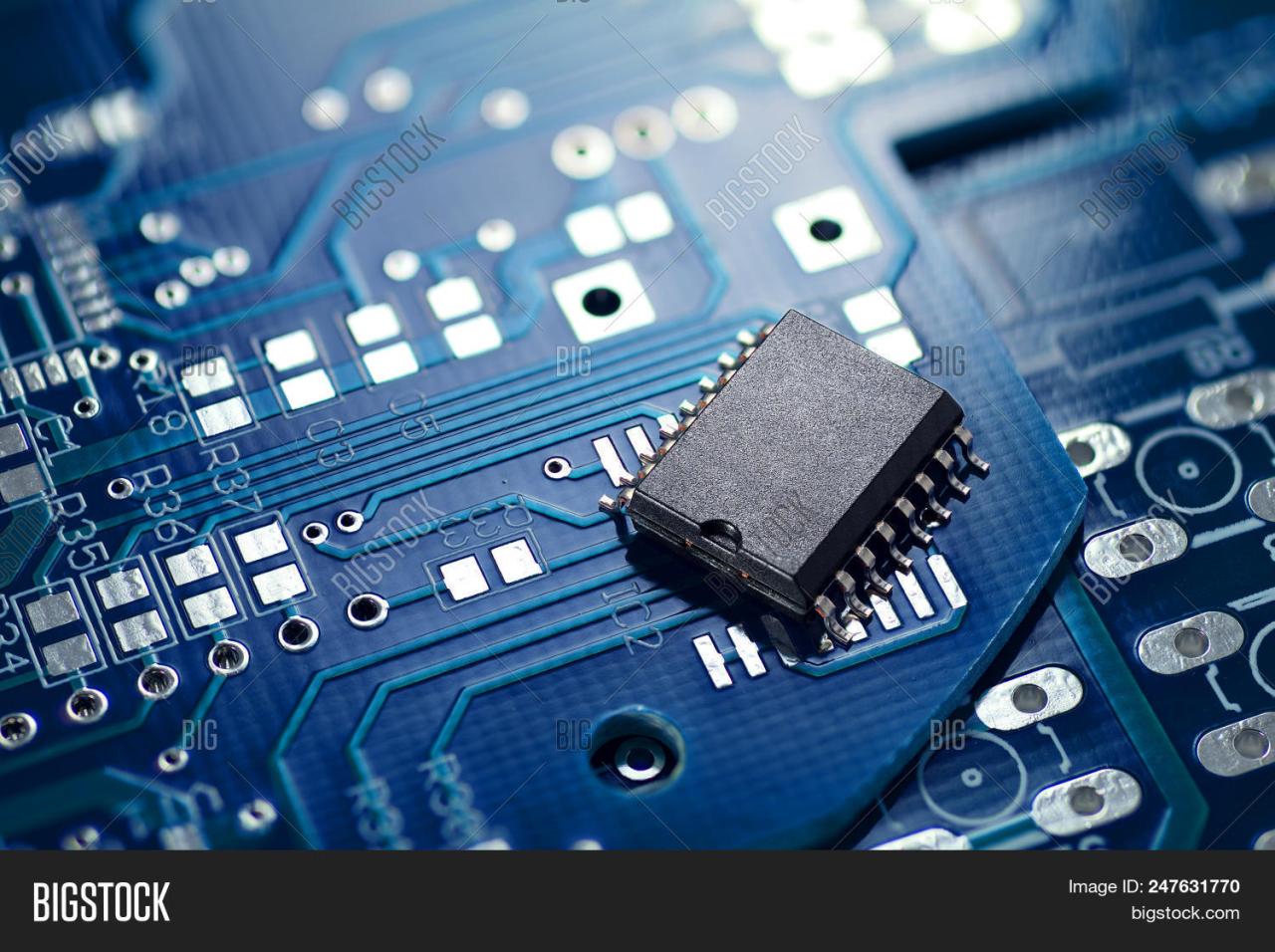
The evolution of Apple’s A-series chips has been a cornerstone of the iPhone’s remarkable growth in performance and functionality. Each new generation brings enhancements not only in speed and efficiency but also in the ability to support advanced features. Understanding these differences is essential for appreciating how the chips impact overall user experience and device capabilities.
The A-series chips serve as the brains of iPhones, dictating performance, efficiency, and capabilities across various models. A comparative analysis reveals how advancements in architecture, processing power, and energy management have influenced the user experience. The latest chips, such as the A15 and A16 Bionic, showcase significant improvements over their predecessors. For instance, the A15 Bionic, equipped with a 6-core CPU and a 4-core GPU, has shown up to 50% faster graphics performance compared to the A14, which itself was a leap forward from the A13.
Performance Differences Between Generations
The generational leaps in A-series chips are characterized by notable enhancements in both CPU and GPU performance, as well as improved machine learning capabilities. Below are key comparisons highlighting the differences:
- A13 Bionic: Featured a 7nm process technology, offering 20% faster CPU and GPU performance compared to the A12. It introduced the Neural Engine capable of 8.5 trillion operations per second, greatly enhancing machine learning tasks.
- A14 Bionic: With a 5nm process, it delivered even more efficiency and power. It was the first chip to support 5G technology, enabling faster connectivity and improved gaming experiences.
- A15 Bionic: Building on the A14, this chip provided a 50% increase in graphics performance. Its enhancements allowed for superior multitasking and better battery management, crucial for demanding applications.
- A16 Bionic: The latest in the lineup, the A16 further improves energy efficiency and processing power, utilizing a new architecture and enhanced GPU performance, specifically tailored for high-resolution gaming and intensive computational tasks.
The benchmark scores illustrate these advancements vividly. For example, Geekbench scores show that while the A13 Bionic scores around 1330 for single-core performance, the A16 achieves over 1900, marking a substantial increase in processing capability. This upward trajectory of performance is crucial for developers and users alike, ensuring that applications run smoothly and efficiently.
Influence of Chip Design on Gaming and Multimedia Experiences
Chip design plays a critical role in shaping the gaming and multimedia landscape on iPhones. The introduction of advanced GPUs and dedicated machine learning cores within the A-series chips has transformed how users interact with games and media.
The evolution of graphical capabilities can be exemplified as follows:
- Graphics Processing: Each successive chip generation has introduced optimizations for graphics rendering. For instance, the A15 and A16 Bionic chips are designed to handle real-time ray tracing, creating more realistic lighting and shadows in games.
- Frame Rates: The GPU in the A15 can sustain high frame rates in demanding games like “Call of Duty: Mobile,” enhancing the overall gaming experience and making gameplay smoother and more enjoyable.
- Video Playback and Editing: With improved video encoding and decoding capabilities, the latest chips allow users to edit and playback high-resolution 4K video seamlessly, a significant advantage for content creators.
As a testament to these enhancements, the iPhone models equipped with A-series chips show marked improvements in battery life during gaming and multimedia consumption, enabling longer play sessions without compromising performance.
“The advancements in chip technology have not only elevated performance metrics but also enhanced the overall user experience, making iPhones powerful tools for gaming and creativity.”
Future Trends in iPhone Chip Development
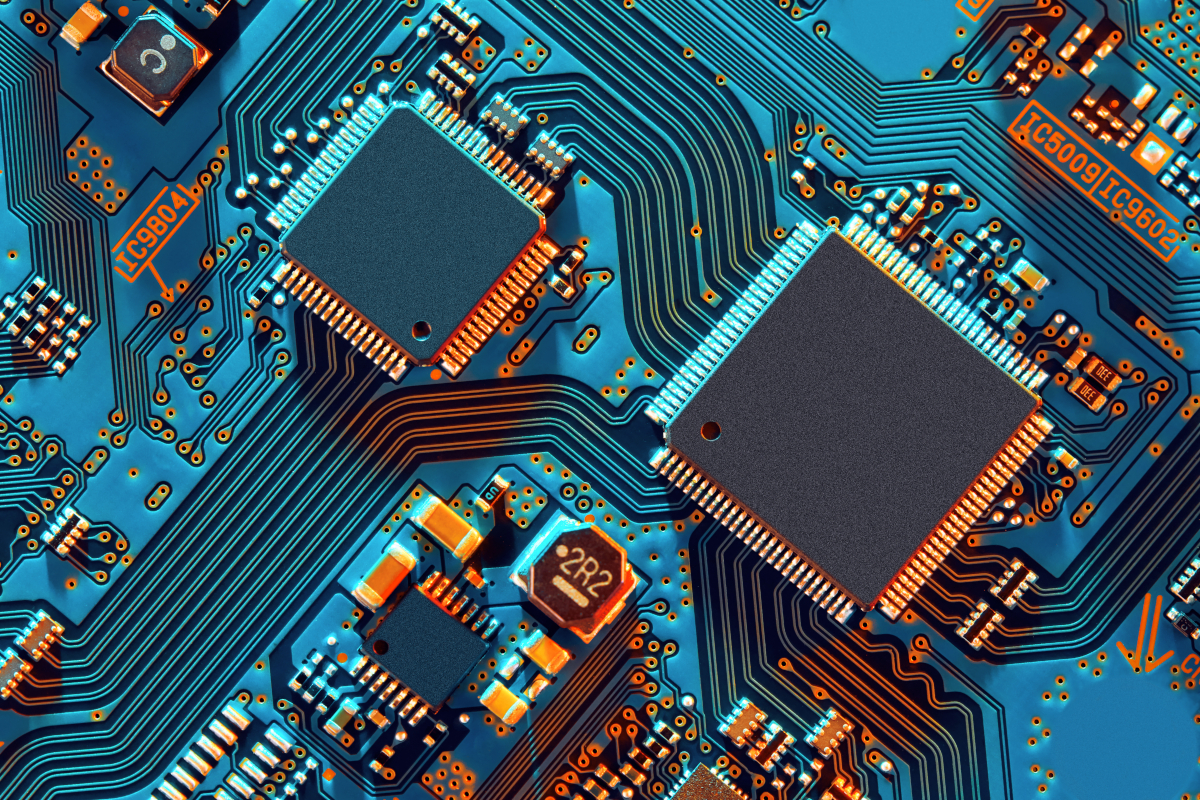
The evolution of iPhone chips is poised to undergo significant transformation as emerging technologies continue to shape the landscape of mobile computing. The integration of innovative materials, advanced architecture designs, and the growing influence of artificial intelligence (AI) are key factors that will dictate the future of iPhone chip development. Apple’s commitment to enhancing user experience through performance improvements indicates that the next generation of chips will be more powerful and efficient than ever before.
One major area of focus in the future development of iPhone chips is the enhancement of machine learning capabilities. As AI becomes increasingly integral to mobile applications, chip manufacturers are prioritizing the integration of neural processing units (NPUs) within their designs. These specialized cores are designed to handle AI tasks more efficiently than traditional CPU or GPU architectures.
Improvements in Machine Learning Capabilities
The incorporation of NPUs allows for advanced processing of machine learning algorithms directly on the device. This approach not only enhances the speed and responsiveness of AI-driven applications but also improves security by minimizing the need to transmit sensitive data to cloud servers. The following are key improvements expected in the machine learning domain of future iPhone chips:
- Increased Computational Power: Future chips may feature multiple NPUs, which could exponentially increase the processing capabilities for complex AI tasks such as image and speech recognition.
- Energy Efficiency: Advanced fabrication processes, such as 3nm technology, will likely lead to chips that consume less power while delivering higher performance, thus extending battery life.
- Real-Time Learning: Chips may incorporate capabilities for on-device learning, allowing applications to adapt and improve based on user interactions without the need for cloud connectivity.
The impact of 5G technology on chip design and functionality is another significant trend shaping the future of iPhone chips. As 5G networks become ubiquitous, iPhone chips will need to evolve to leverage the high-speed and low-latency capabilities offered by this technology.
Impact of 5G Technology on Chip Design
5G technology demands chips that are not only capable of handling faster data rates but also equipped to support a variety of new use cases such as augmented reality (AR) and remote collaboration. The following points illustrate how 5G influences chip design:
- Enhanced Connectivity: Future iPhone chips are expected to integrate advanced modems that support sub-6GHz and mmWave frequencies, ensuring optimal performance across diverse 5G environments.
- Integration of AI for Network Optimization: With the rise of 5G, chips may include capabilities for AI-driven network management, allowing devices to intelligently switch between network bands for optimal performance.
- Support for IoT: As 5G enables a broader Internet of Things ecosystem, chips will need to be designed with features that facilitate seamless communication between a multitude of connected devices.
In summary, the future of iPhone chip development is set to embrace cutting-edge technologies and innovations that will enhance performance, energy efficiency, and machine learning capabilities. With the integration of 5G technology, chips will not only meet the demands of current mobile applications but also pave the way for groundbreaking advancements in the mobile computing landscape.
Chip Manufacturing Process for iPhones
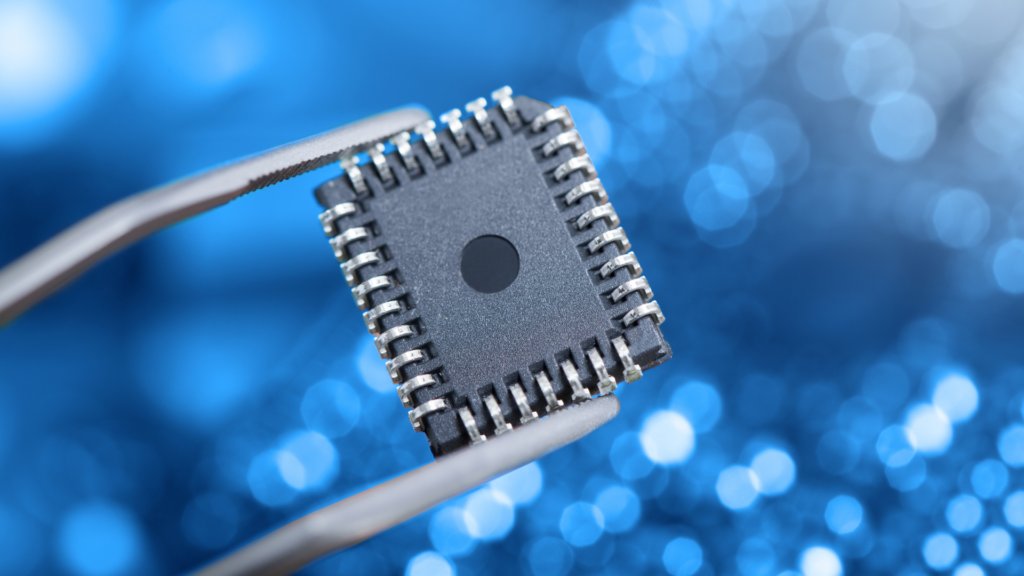
The chip manufacturing process for iPhones is a meticulous journey that transforms raw materials into highly sophisticated semiconductor devices. This process is crucial for ensuring that the chips operate effectively within the iPhone, impacting everything from performance to energy efficiency. Understanding this journey sheds light on why the iPhone’s chips are some of the most advanced in the industry.
The chip manufacturing process is composed of several key steps, each playing a vital role in ensuring high-quality output. These steps involve intricate techniques that require precision engineering and cutting-edge technology. The performance of the final chip heavily relies on the quality of semiconductor fabrication, which includes the creation of the chip’s architecture and the integration of various materials.
Key Steps in the Chip Manufacturing Process, Chip iphone
The chip manufacturing process can be broken down into several essential steps that are integral to creating a high-performance iPhone chip. These steps are:
- Design and Simulation: The initial phase involves designing the chip architecture using advanced software tools. Engineers simulate its performance to ensure it meets the required specifications.
- Wafer Fabrication: After design, silicon wafers are prepared. This involves the deposition of various materials on the wafer, followed by etching to create microscopic circuits.
- Doping: Doping introduces impurities into the silicon to alter its electrical properties, which is essential for forming transistors.
- Photolithography: This critical process uses light to transfer the circuit design onto the wafer, allowing for the precise placement of components.
- Assembly and Packaging: Once the wafer has been processed, individual chips are cut from it, tested, and packaged for integration into devices.
Significance of Semiconductor Fabrication
Semiconductor fabrication is essential for achieving the desired chip performance and reliability. The precision in this fabrication process directly influences the speed, power consumption, and overall efficiency of the iPhone. Advanced fabrication techniques allow for the miniaturization of components, enabling higher processing power within smaller spaces. This is critical as consumer demand trends toward more powerful yet compact devices.
The efficiency of semiconductor fabrication can be quantified by the technology nodes, measured in nanometers. For instance, the latest iPhone chips often utilize a 5nm process to enhance performance and power efficiency.
Materials Used in iPhone Chip Production
The production of iPhone chips involves a variety of high-quality materials, each selected for its specific properties that enhance the chip’s functionality. These materials include:
- Silicon: The primary substance used in chip manufacturing due to its excellent semiconductor properties.
- High-k Dielectrics: Used in insulating layers to reduce power leakage and increase performance.
- Metals: Copper and aluminum are commonly used for interconnections due to their excellent electrical conductivity.
- Rare Earth Elements: Often used in specific processes to improve chip efficiency, including materials like Tantalum for capacitors.
The careful selection of these materials is crucial for optimizing the thermal management and electrical performance of the chips, further contributing to the overall efficiency and longevity of iPhones.
FAQ Resource: Chip Iphone
What is the main function of the chip in an iPhone?
The chip in an iPhone controls all major functions, including processing tasks, managing battery efficiency, and enabling advanced features like photography and gaming.
How often does Apple release new chip models for iPhones?
Apple typically introduces new chip models annually alongside new iPhone releases, showcasing enhancements in performance and efficiency.
What is the impact of chip advancements on battery life?
Advancements in chip technology often lead to improved power management, which enhances battery life by optimizing processing efficiency during various tasks.
How does chip design affect gaming on iPhones?
Chip design plays a crucial role in gaming performance by enabling faster processing speeds, better graphics rendering, and smoother gameplay experiences.
What materials are used in manufacturing iPhone chips?
iPhone chips are primarily made from silicon, along with various other semiconductor materials that contribute to performance and reliability.
When exploring high-end smartphones, the Samsung S 10 stands out with its sleek design and impressive camera capabilities. This device not only delivers stunning visuals but also offers a user-friendly interface that keeps you engaged. As you dive deeper into the world of Samsung, you’ll discover the appeal of other models, including the budget-friendly options available in the Samsung Galaxy series.
In the realm of affordable smartphones, the Samsung Galaxy F series captures attention with its exceptional features tailored for budget-conscious consumers. These devices provide a perfect balance of performance and price, making them ideal for anyone looking to enjoy modern technology without breaking the bank. Exploring the Galaxy F series can provide insights into Samsung’s commitment to offering quality at various price points.