samsung note7 stands as a remarkable example of innovation intertwined with controversy in the smartphone market. Released by Samsung in 2016, it quickly garnered attention for its cutting-edge features, including a high-resolution display and advanced S Pen capabilities. However, its journey took a dramatic turn due to safety concerns that sparked widespread recalls, shaping not just the company’s future but also the entire consumer electronics landscape.
The Note 7’s introduction was marked by excitement and anticipation, as it promised to deliver unparalleled performance and functionality. Its sleek design and robust specifications contributed to its initial popularity, drawing in tech enthusiasts and loyal Samsung followers alike. Yet, as issues arose, the narrative shifted, leading to one of the most significant product recalls in history.
History of Samsung Note 7

The Samsung Note 7, released in August 2016, marked a significant moment in smartphone history. It was the first model in the Note series to feature a dual-edge display and introduced various enhancements that catered to power users. With its sleek design and innovative features, it quickly became a favorite among consumers, earning accolades for its performance and aesthetics. However, the very attributes that made it popular also led to one of the most notable controversies in the tech industry.
The release of the Samsung Note 7 was accompanied by a slew of impressive features that elevated the device’s standing in the crowded smartphone market. Among these features were a vibrant 5.7-inch Super AMOLED display, an IP68 rating for water and dust resistance, and an upgraded S Pen that allowed for greater versatility. The device also boasted an enhanced camera system and a robust battery that promised extended usage, which contributed to the device’s initial warm reception.
Reasons for Initial Popularity
The initial success of the Samsung Note 7 can be attributed to several key factors that resonated with tech enthusiasts and everyday users alike. These included enhanced specifications, innovative features, and effective marketing strategies.
- Powerful Specifications: The Note 7 came equipped with a Snapdragon 820 processor, 4GB of RAM, and storage options of up to 256GB, ensuring smooth performance under demanding conditions.
- Advanced S Pen Features: The S Pen stylus was improved with features like live message and screen off memo, making it more functional and appealing for creative tasks.
- Strong Marketing Campaign: Samsung’s promotional strategies highlighted the device’s unique features and advanced technology, generating significant buzz ahead of the launch.
- Consumer Loyalty: The Note series had already established a loyal customer base due to previous models, leading to an eagerness for the latest iteration.
The impact of the Samsung Note 7’s launch was profound on the company’s brand image. Initially, the Note 7 bolstered Samsung’s reputation as a leader in smartphone innovation and technology. The device’s cutting-edge features and solid performance positioned Samsung favorably against competitors like Apple and Google. However, the subsequent battery issues that led to recalls and ultimately the discontinuation of the device severely tarnished the brand’s image.
Impact on Samsung’s Brand Image
The Note 7 debacle had far-reaching effects on Samsung’s brand perception, creating a dichotomy between initial excitement and eventual disappointment.
- Loss of Consumer Trust: The battery explosions and recalls led to a significant decline in consumer confidence, prompting skepticism about the safety and reliability of Samsung products.
- Financial Ramifications: Samsung faced enormous financial losses estimated at over $5 billion due to recalls, legal fees, and lost sales, which affected its overall market performance.
- Increased Scrutiny on Quality Control: The incident spurred a review of Samsung’s manufacturing processes and quality assurance practices, leading to changes in how products are tested before launch.
- Rebranding Efforts: In response to the crisis, Samsung implemented aggressive marketing strategies for subsequent devices, focusing on safety and innovation to regain consumer trust.
The Samsung Note 7 serves as a case study in modern technology, illustrating the fine line between innovation and risk management. The lessons learned from its launch and subsequent fallout continue to influence how technology companies approach product development and consumer safety.
Technical Specifications and Innovations
The Samsung Galaxy Note 7 was launched amid great anticipation, featuring a host of specifications and innovations that set it apart from both its predecessors and competitors. As a flagship device, it boasted cutting-edge technology, powerful performance, and features that catered to productivity and creativity. This section will delve into the detailed specifications of the Note 7, compare it with earlier models in the Note series, and highlight how it stood against rival smartphones in the market.
Comparison of Specifications
The Samsung Galaxy Note 7’s specifications were a significant upgrade over its predecessors, the Note 5 and Note 4, as well as a competitive offering against contemporaneous flagship devices like the iPhone 7 Plus and Google Pixel. Notable specifications included:
- Display: 5.7-inch Quad HD Super AMOLED display with a resolution of 1440 x 2560 pixels.
- Processor: Exynos 8890 (International) or Qualcomm Snapdragon 820 (USA), ensuring high performance across tasks.
- RAM: 4GB, allowing for smooth multitasking and application performance.
- Storage: Options of 64GB internal storage, expandable via microSD up to 256GB.
- Camera: 12MP rear camera with dual pixel technology and a 5MP front camera, enhancing photography capabilities.
- Battery: 3500mAh with fast charging capabilities, along with wireless charging support.
- Water and Dust Resistance: IP68 rating, providing durability in various environments.
The Note 7 featured a refined design and advanced specifications that appealed to both tech enthusiasts and general consumers alike.
Innovative Features
The Galaxy Note 7 introduced several innovative features that elevated the user experience, particularly focusing on the S Pen. These enhancements included:
“The S Pen’s water resistance and improved functionality made it a standout tool for creativity and productivity.”
Key enhancements included:
- S Pen Integration: The S Pen now had a finer tip, making it more precise for drawing and note-taking. The added functionality included pressure sensitivity and the ability to create animated GIFs directly.
- Screen Off Memo: Users could write notes on the screen while it was off, making the process of jotting down ideas quicker and easier.
- Smart Select: This feature allowed users to capture sections of the screen and save them as images or share them directly, enhancing the ability to share content efficiently.
- Translate and Magnify: The S Pen could be used to translate text and magnify portions of the screen, adding layers to its utility in day-to-day tasks.
These innovations helped the Galaxy Note 7 solidify its position as a versatile device for both business and personal use.
Performance Metrics Comparison
The performance metrics of the Galaxy Note 7 can be compared with other flagship smartphones of its time to provide insights into its market position. The following table summarizes key performance indicators:
| Device | Processor | RAM | Camera (Rear) | Battery |
|---|---|---|---|---|
| Samsung Galaxy Note 7 | Exynos 8890 / Snapdragon 820 | 4GB | 12MP | 3500mAh |
| iPhone 7 Plus | A10 Fusion | 3GB | 12MP Dual | 2900mAh |
| Google Pixel | Snapdragon 821 | 4GB | 12.3MP | 2770mAh |
| LG V20 | Snapdragon 820 | 4GB | 16MP | 3200mAh |
The Galaxy Note 7’s specifications demonstrated its capability to deliver high performance in comparison to other flagship devices of the time, showcasing its innovation and market competitiveness.
Safety Issues and Recall: Samsung Note7
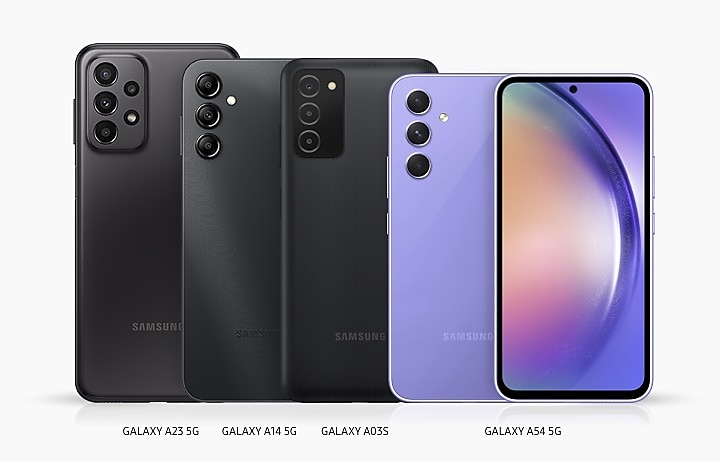
The Samsung Note 7 was notorious for its safety concerns, which ultimately led to one of the most significant product recalls in the history of consumer electronics. Reports of devices catching fire or exploding due to battery issues prompted widespread alarm among users and regulators alike. These events not only affected consumer confidence but also posed serious risks to public safety.
The root of the safety issues with the Samsung Note 7 stemmed from battery malfunctions, primarily linked to the lithium-ion batteries used in the devices. Initial investigations revealed that certain batteries were prone to short-circuiting, which resulted in overheating, fires, and, in some cases, explosions. The situation escalated when reports flooded in regarding incidents occurring even after the initial recall and replacement program had been enacted. Samsung’s response was swift; the company announced a global recall of all Note 7 devices, which amounted to approximately 2.5 million units.
Company Response and Management Strategies, Samsung note7
In the wake of the safety crisis, Samsung implemented several management strategies to handle the recall effectively. The company’s approach focused on transparency, consumer safety, and restoring brand trust. Key actions included:
- Immediate Recall Announcement: On September 2, 2016, Samsung officially announced the recall, instructing customers to stop using the device and return it for a refund or replacement.
- Collaboration with Regulatory Bodies: Samsung worked closely with the U.S. Consumer Product Safety Commission (CPSC) to ensure compliance with safety standards and regulatory guidelines, reinforcing their commitment to consumer protection.
- Comprehensive Replacement Program: The company offered consumers the option to exchange their Note 7 for a different device or receive a refund, aiming to minimize inconvenience while safeguarding users.
- Enhanced Quality Assurance: To prevent future incidents, Samsung instituted new quality control measures, which included a more rigorous battery testing process and a thorough review of its manufacturing practices.
The broad implications of the Samsung Note 7 recall extended beyond the company itself, sparking discussions within the consumer electronics industry about battery safety, manufacturing practices, and corporate responsibility. The fallout from this incident prompted other manufacturers to reassess their own quality assurance protocols to ensure similar safety issues did not arise. Furthermore, the incident underscored the importance of consumer education regarding the risks associated with lithium-ion batteries and the need for companies to prioritize transparency in their communications.
“The Samsung Note 7 incident highlighted a critical intersection between technology innovation and consumer safety, driving a shift in industry standards.”
Legacy and Impact on Future Devices

The Samsung Galaxy Note 7 remains a pivotal chapter in the history of mobile technology, not just for its cutting-edge features but for the profound lessons learned regarding safety and consumer trust. The incident surrounding the Note 7 led to significant changes across the smartphone industry, particularly within Samsung itself as the company aimed to regain consumer confidence and ensure that such failures did not recur. This legacy has influenced the design, development, and safety protocols in subsequent devices, leaving an indelible mark on the future of smartphones.
Influence on Design and Safety Protocols
The Note 7 incident catalyzed a comprehensive reevaluation of safety and design processes within Samsung. Following the recall, Samsung established new battery safety protocols and enhanced testing procedures. These changes included:
- 8-Point Battery Safety Check: Samsung implemented a rigorous battery testing protocol that included assessments for design, durability, and electrical safety to prevent overheating and potential fires.
- Increased Transparency: The company began to disclose more information about its testing methods and safety standards to rebuild trust with consumers.
- Focus on Innovation: Efforts were made to innovate battery technology, exploring alternative chemistries and safety mechanisms that could improve overall device safety while maintaining performance.
The fallout from the Note 7 incident prompted not only Samsung but also other manufacturers to prioritize consumer safety and reassess their engineering practices.
Consumer Reactions and Market Trends
In the aftermath of the Note 7 crisis, consumer reactions varied significantly, impacting market trends within the smartphone sector. The incident led to a temporary decline in consumer confidence in Samsung products, but the brand’s response was crucial in reversing this trend. The following points illustrate the shifts in consumer behavior and market dynamics post-Note 7:
- Brand Loyalty Tested: Many loyal Samsung users were hesitant to upgrade to newer models, favoring competitors in the interim.
- Increased Focus on Safety: Consumers began prioritizing safety features in smartphones, influencing buying decisions across the market.
- Market Share Rebound: Subsequent releases, such as the Galaxy S8 and Note 8, showcased Samsung’s commitment to safety and innovation, ultimately restoring brand loyalty and market share.
The Note 7 incident ultimately reshaped the competitive landscape of the smartphone market, driving companies to adopt more stringent safety measures and prioritize consumer trust.
Timeline of Technological Advancements
The repercussions of the Note 7 incident spurred technological advancements that can be traced through a timeline of key developments in the smartphone industry. These advancements reflect not only Samsung’s efforts but also the broader industry’s response to consumer safety concerns.
| Year | Key Development |
|---|---|
| 2016 | Galaxy Note 7 launched and subsequently recalled due to battery safety issues. |
| 2017 | Samsung introduces the 8-Point Battery Safety Check as part of its new safety protocols. |
| 2018 | Launch of Galaxy S9, featuring enhanced battery management systems and safety features. |
| 2019 | Introduction of foldable technology with Galaxy Fold, showcasing innovation alongside strict safety measures. |
| 2020 | Samsung emphasizes sustainable materials and advanced battery technology in its flagship models. |
This timeline highlights how the Note 7 incident acted as a catalyst for innovation and safety enhancements, shaping the future direction of smartphone technology.
Helpful Answers
What year was the samsung note7 released?
The samsung note7 was released in August 2016.
What were the key features of the samsung note7?
Key features included a 5.7-inch display, improved S Pen functionality, and a dual-edge design.
What caused the samsung note7 recall?
The recall was primarily due to battery overheating and fire hazards.
Did samsung fix the issues with the note7 after the recall?
Samsung attempted to address the issues with replacement devices, but the recall ultimately led to the discontinuation of the model.
How did the note7 incident affect Samsung’s brand image?
The incident initially damaged Samsung’s reputation, but the company worked hard to restore consumer trust through improved safety standards in subsequent devices.
The Samsung Note7 was a groundbreaking device known for its stunning display and innovative features. However, its launch was marred by battery issues that led to a global recall, highlighting the importance of product safety in tech development. Despite its short-lived presence in the market, the Note7’s design continues to influence modern smartphones.
As Samsung continues to innovate, the upcoming Samsung Galaxy F promises to deliver an exciting blend of performance and affordability. With features designed to cater to the needs of budget-conscious consumers, this smartphone is set to redefine expectations in its category, showcasing Samsung’s commitment to expanding its flagship offerings.